Lafayette, IN & Tippecanoe County
Water Well Inspection Services in Lafayette, IN
Your well provides drinking water for your family. Know exactly what condition it’s in.
Harper Well Drilling offers thorough water well inspections for homes, farms, and real estate closings across Tippecanoe County and Lafayette, IN.
Custom well design tailored to your specific land and water needs.
Immediate, safe potable water access for homes and businesses.
Precision water well drilling using state-of-the-art equipment in Lafayette, IN.
What Our Well Inspection Covers
We inspect every component of your water system and deliver a clear written report.
No guesswork. No surprises after closing.
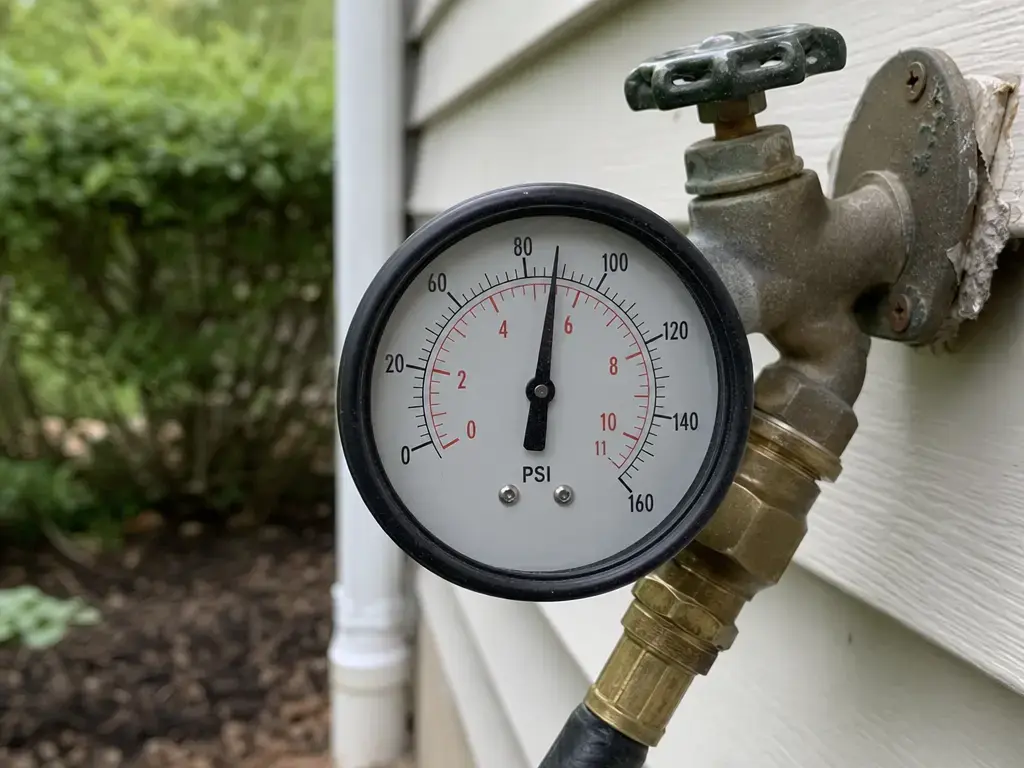
Pump Flow Test
We measure your well’s gallons-per-minute output to verify it meets your household’s water demand.
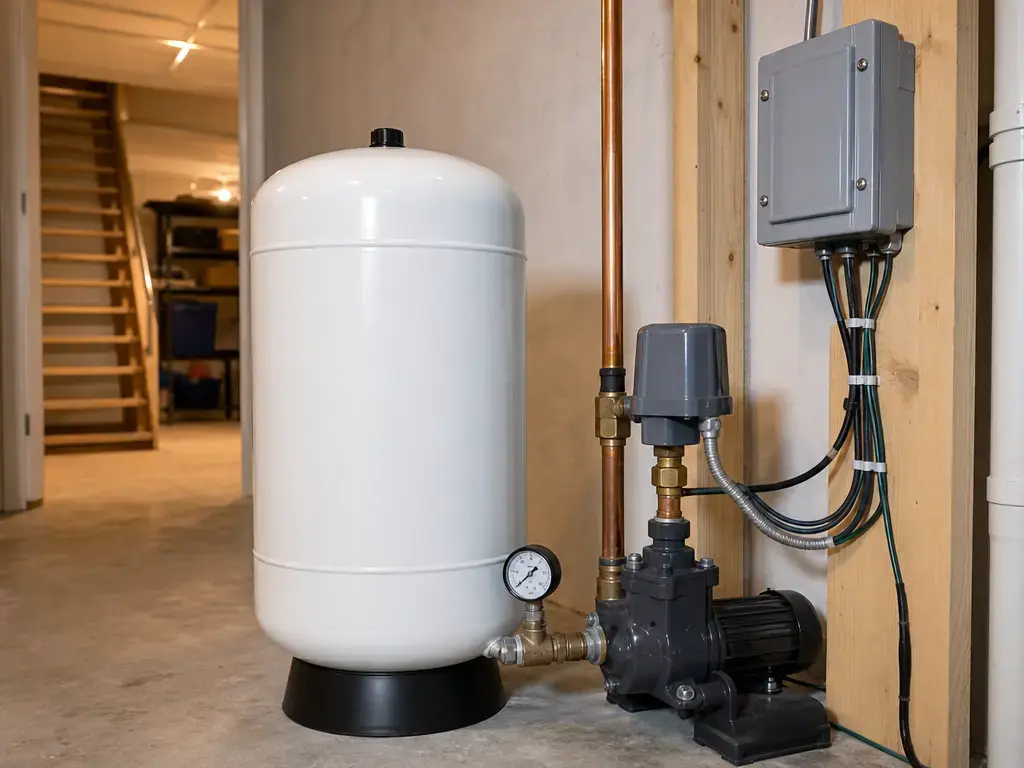
Pressure System Check
We inspect the pressure tank, switch, and control box for wear, corrosion, or signs of imminent failure.
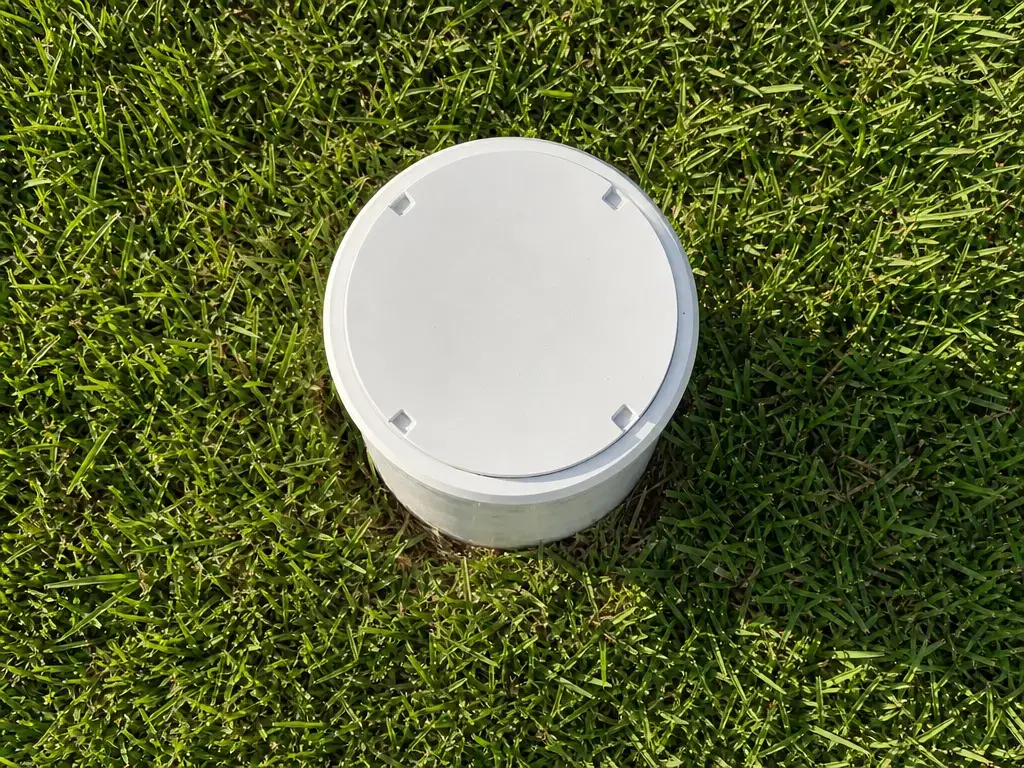
Well Cap and Casing
We examine the cap, casing, and pitless adapter for damage, gaps, or conditions that allow surface contamination to enter.
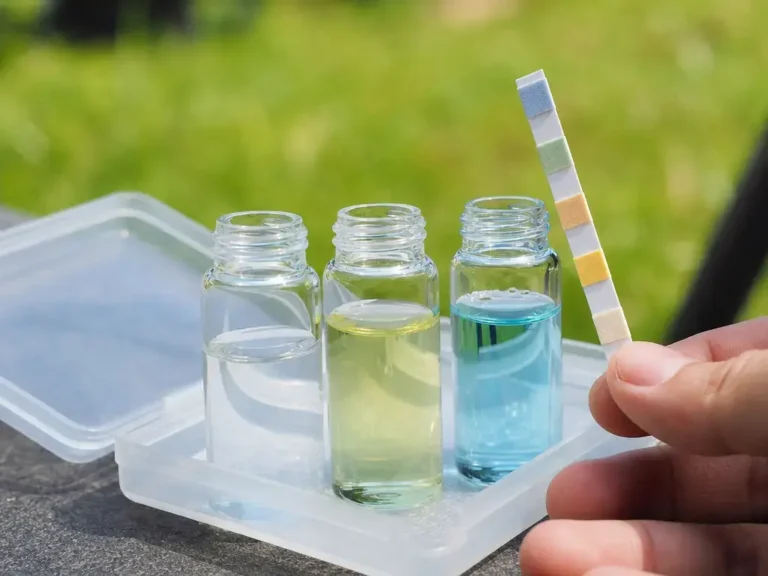
Water Quality Testing
We pull a certified water sample for lab testing, checking for coliform bacteria, E. coli, nitrates, and other contaminants.
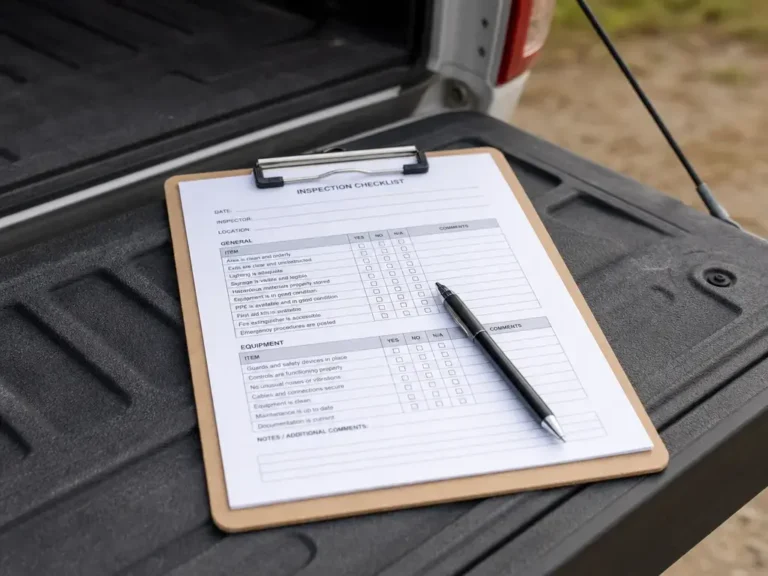
Written Inspection Report
You receive a detailed written report documenting every finding, including water test results. Accepted by lenders and title companies.
Ready to Schedule Your Inspection?
Harper Well Drilling serves all of Lafayette, Tippecanoe County, and surrounding communities including West Lafayette, Battle Ground, Brookston, and Frankfort.
When Should You Get a Well Inspection?
Private wells in Indiana have no municipal oversight. Testing and maintenance are entirely your responsibility.
These are the most common reasons homeowners and buyers call us.
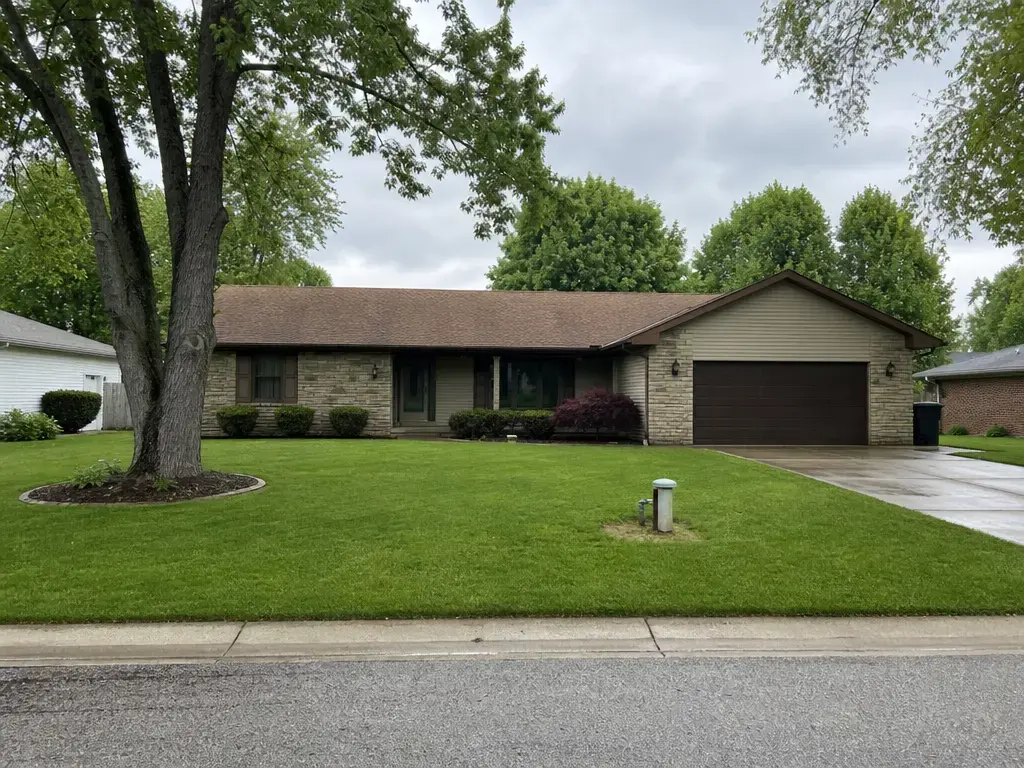
Before Buying a Home
Lenders often require a well inspection before closing. Problems discovered after purchase become entirely your responsibility.
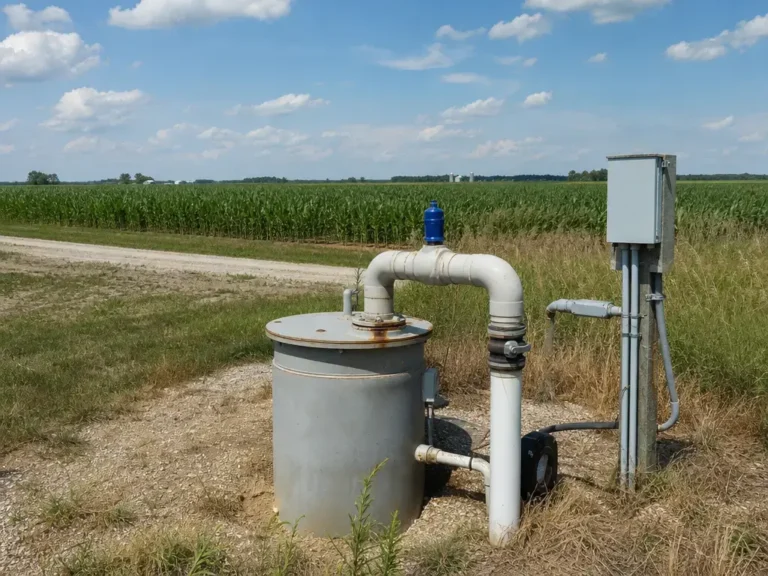
Before Selling Your Home
A pre-listing inspection puts you in control. Find and fix issues on your timeline before a buyer’s inspector finds them.
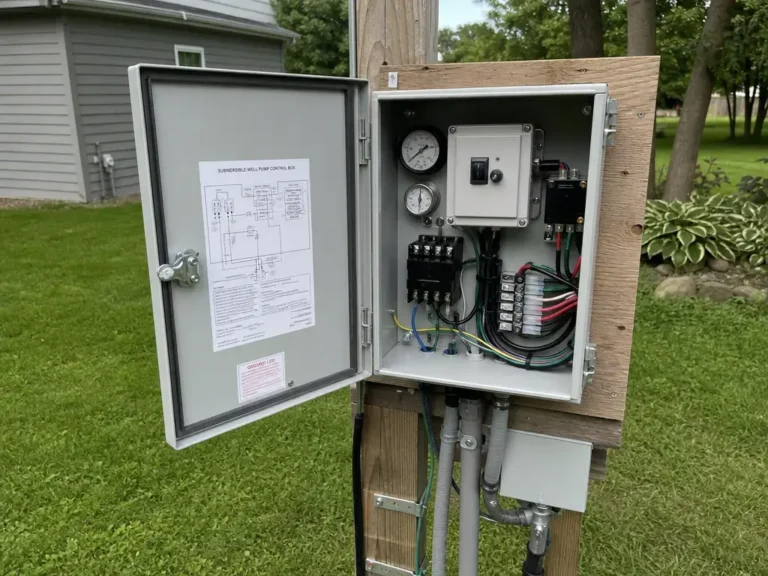
Annual Maintenance Check
Indiana recommends annual bacteria and nitrate testing for private wells. An annual inspection catches pump and pressure problems before they fail.
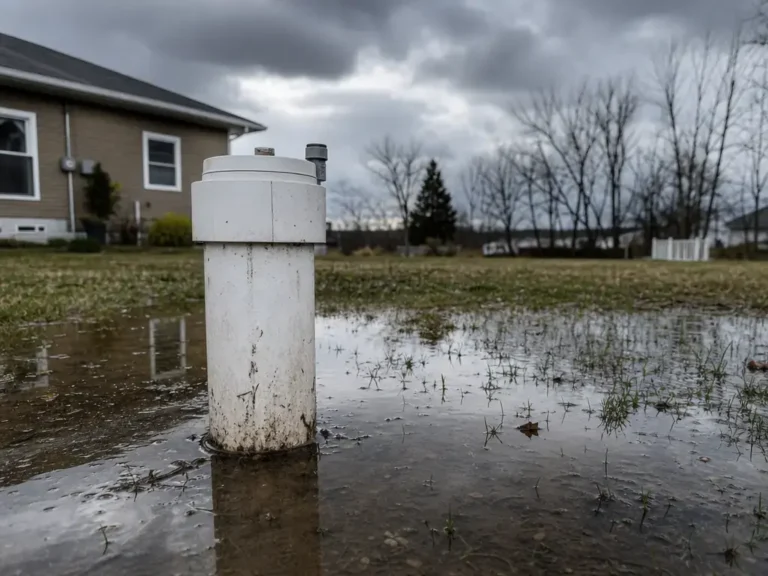
After Flooding or Water Changes
Floodwater can contaminate a well in hours. If water surrounded your casing, do not drink from the well until it has been tested and cleared.
Our 4-Step Well Inspection Process
We show up on time, do the work, and hand you a clear report with answers, not more questions.
1
Schedule Your Visit
Call or submit a quote request online. We can often schedule around real estate closing deadlines in Tippecanoe County.
2
On-Site Inspection
We examine the full system: pump, pressure tank, casing, cap, pitless adapter, and all electrical components.
3
Water Sample Collection
We pull a certified water sample and send it to an accredited lab for bacteria, nitrate, and contaminant testing per Indiana guidelines.
4
Your Written Report
You receive a detailed written report with all findings and test results. Suitable for lenders, title companies, and your own records.
Why Choose Harper for Your Well Inspection?
Most well inspectors are general home inspectors. If they find a problem, you need to hire a second contractor to fix it.
Harper Well Drilling is a licensed well contractor. We inspect and repair. One call gets the whole job done.
Our family has drilled and maintained wells in this region for six generations. We know Tippecanoe County’s aquifers, the local geology, and the issues common to wells in this area.
That is the difference between a checklist and real expertise.
- Submersible Pump: We use high-grade stainless steel pumps installed deep within the well to provide quiet, powerful, and maintenance-free operation.
- Pressure Tank & Switch: The pressure tank stores a pressurized reserve of water, while the pressure switch monitors your usage to turn the pump on and off at exactly the right moments.
- Pitless Adapter: This critical water line connection allows your plumbing to stay safely underground. By connecting below the frost line protection level, we ensure your water never freezes, even in the coldest temperatures.
- System Longevity: By matching the right components to your well's depth and yield, we reduce wear and tear on your motor and plumbing.
Local Knowledge for Tippecanoe County Wells
Successful well inspection requires understanding the local geology, not just running a checklist.
Tippecanoe County sits atop the ancient Teays River Valley, with thick glacial deposits that hold some of the most productive aquifers in Indiana.
Those same deposits can carry agricultural nitrates from farmland runoff and naturally occurring arsenic from glacial materials. We know what to look for in this area and what test results actually mean for your specific location.
Teays & Wabash Aquifers
Much of our area relies on the Teays Buried Valley and the Wabash River outwash systems. We expertly tap into the deep sand and gravel layers within these aquifers to provide a high-yield, consistent water supply.
Bedrock Topography
In areas where we encounter bedrock, our team is highly experienced in drilling through shale and other hard rock formations to reach deeper, protected water sources.
Depth Management
We carefully analyze the local water table to determine the optimal depth to water. This ensures your system remains productive and resilient during dry seasonal shifts.
Local Water Knowledge
We understand the unique mineral content in Lafayette and West Lafayette. This local insight allows us to recommend the right filtration systems to handle specific iron, hardness, or nitrate levels common in our county’s groundwater.
Frequently Asked Questions
Common questions from homeowners, buyers, and sellers in Lafayette and Tippecanoe County about water well inspections.
How much does a water well inspection cost in Indiana?
Well inspections in Indiana typically range from $200 to $500 for the mechanical inspection. Water quality lab testing adds $100 to $300 depending on the panel ordered. We provide upfront pricing before scheduling.
What does a well inspection include?
We test pump flow rate, inspect the pressure tank and switch, check the well cap, casing, and pitless adapter, and collect a certified water sample for lab testing. You receive a written report at completion.
Do I need a well inspection when buying a home in Indiana?
Lenders often require it. More importantly, Indiana has no mandatory seller disclosure for well condition. An independent inspection is your only protection against inheriting a failing or contaminated system.
How often should a well be inspected?
The Indiana Department of Environmental Management recommends annual bacteria and nitrate testing for private wells. A full mechanical inspection every 3 to 5 years is standard for a system in good condition.
What happens if my well fails inspection?
We repair it. That is the advantage of working with a licensed well contractor over a general home inspector. You get the diagnosis and the fix from one company, with no need to find a second contractor.